

Will a Canister Stove Work for Winter Backpacking?

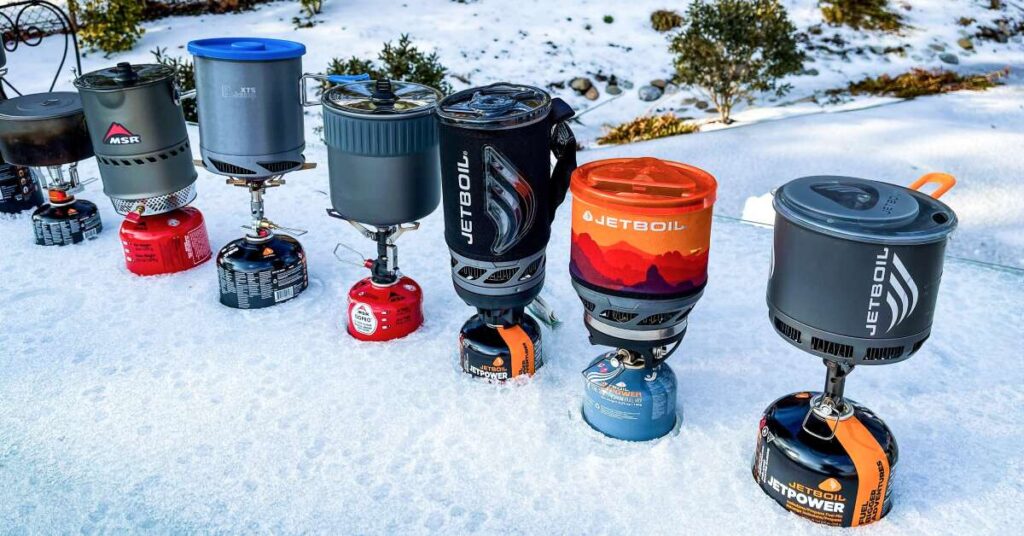
A canister stove can work for winter backpacking, but there are some important factors to consider:
Pros of Using a Canister Stove in Winter
✅ Lightweight & Compact – Canister stoves are easy to pack and set up compared to liquid fuel stoves.
✅ Fast & Convenient – Simple to ignite, with no priming required.
✅ Clean & Efficient – No mess from liquid fuels, and modern canister mixes burn efficiently.
Challenges & Solutions for Winter Use
- Cold Temperature Fuel Pressure Drop
- At temperatures below 20°F (-7°C), the pressure in standard fuel canisters (isobutane/propane) drops, leading to poor performance or failure to ignite.
- Solution:
- Use inverted canister stoves (like the MSR WindPro II) that allow fuel to be drawn as a liquid.
- Keep the canister warm (e.g., store it in your sleeping bag at night, carry it inside your jacket before cooking).
- Use four-season fuel blends with higher propane content for better cold-weather performance.
- Inefficiency in Melting Snow for Water
- Winter backpacking often requires melting snow, which consumes more fuel.
- Solution:
- Bring extra fuel (more than you would for summer trips).
- Use a heat exchanger pot to improve efficiency.
- Wind protection is crucial—use a windscreen (but maintain ventilation to prevent overheating the canister).
- Wind & Cold Performance Limitations
- Canister stoves struggle in windy conditions and may have slower boil times.
- Solution:
- Choose a stove with good wind resistance, like the Jetboil Joule or MSR Reactor.
- Use a partial windscreen (not fully enclosed, as overheating a canister is dangerous).
Alternatives to Canister Stoves for Winter Backpacking
- Liquid Fuel Stoves (White Gas)
- Work well in extreme cold and are better for group cooking or extended trips.
- Require priming but remain reliable at sub-zero temperatures.
- Examples: MSR WhisperLite International, MSR XGK-EX
Final Verdict
A canister stove can work for winter backpacking, especially in moderate cold (down to around 15°F/-10°C), but for deep winter conditions, a liquid fuel stove is more reliable. If you choose a canister stove, use a four-season fuel mix, keep the canister warm, and consider an inverted stove for better cold-weather performance.
Would you like recommendations on specific canister stoves for winter use? 🚀
https://winterbackpacking.com/will-a-canister-stove-work-for-winter-backpacking/



Responses