

Happy Nature Day “13 Bedar”

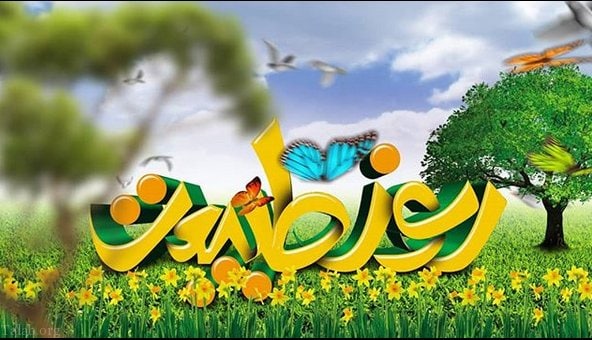
Nature Day, or in the Persian language, ‘Sizdah Be-dar,’ is an Iranian public holiday celebrated on April 2 in normal years and April 1 in leap years. This year, it falls on April 2. In Iranian culture, it is celebrated on the 13th day of ‘Farvardin’ — the first month of the Iranian calendar, to mark the end of the ‘Nowruz’ celebrations, and is generally described as a day for Iranians to relax and have fun in their individual choices of open spaces. All over the country, picnicking dominates, and both adults and the young feel enthusiastic, and planning for the day starts well in advance.
History of Nature Day
The origin of Nature Day in Iran is rooted in Zoroastrianism. About 4,000 years ago, ‘Sidaz Be-dar’ was celebrated in ancient Iran to worship ‘Teshtar,’ the god of rain, in the hopes that the prayers offered that day would make the god overcome the drought demon and send in the rains. Over the past few centuries, the day has been stripped of its religious affiliations and is now seen more as a cultural holiday than a religious one.
‘Sizdah Be-dar’ simply means “getting rid of the number 13.” In Iran, just as in many world cultures, the number 13 is feared as an ominous number. ‘Triskaidekaphobia’ is the scientific term for this fear. Iranians believe that by going out for picnics in places like parks and the countryside on the 13th day of the ‘Nowruz’ celebrations, they are discarding all their bad luck and would start the rest of the year on a good note. The last activity of the day’s celebration is generally believed to perform that task. At the end of the picnics, observers take green plant shoots grown from the beginning of the ‘Nowruz’ celebrations and release them on flowing water bodies, usually rivers or streams.
Besides releasing green plant shoots on rivers, a version of the western ‘April Fool’ known as ‘Lie of the Thirteenth’ is observed on the day and typically involves playing pranks on others. Other fun activities marking the day include singing, dancing, chattering, playing games, and for the young singles, tying knots in the grass, hoping that doing so would bring them spouses — a practice that also has strong affiliations to an Iranian religious myth. Iranian foods like ‘Sekanjabin’ (a drink made from vinegar and honey) and ‘Ash-e Doogh’ (yogurt syrup) are generally consumed on this day.




Responses